
Common Sources of Modified Food Starch
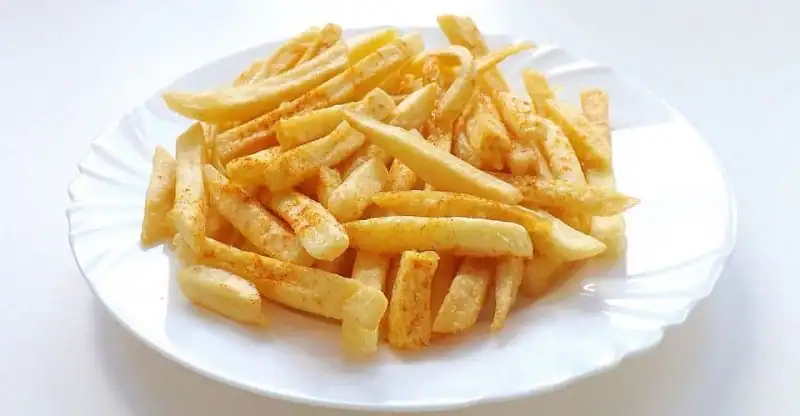
Modified food starch comes from several common bases, and each one delivers different performance in processed foods. The main sources you’ll see are corn, tapioca, potato, and waxy maize. These starches are easy to modify, stable under heat, and work well in everything from sauces to baked goods. Corn and tapioca
Does Modified Food Starch Contain Wheat or Gluten?
Modified food starch can contain wheat, but most versions in the US are made from corn, tapioca, or potato and are naturally gluten‑free. If a product does use wheat-derived modified starch, the FDA requires the label to clearly state Contains Wheat, so it’s easy to spot. You’ll usually see this either in the allergen section or directly after the ingredient name.
To identify wheat-based modified starch, look for:
• Allergen statements listing wheat
• Ingredient lists specifying “modified wheat starch”
• Products sold outside the US, where disclosure rules may differ
A small note: USDA‑regulated items like meat, poultry, and some egg products follow different labeling rules and may not always call out wheat as clearly. When in doubt, checking certifications or contacting the brand is the safest move. For a quick breakdown of how modified starches are processed, you can check guides like our overview of modified starch types at taichymodifiedstarch.com/what-is-modified-starch-a-quick-guide-for-newcomers/.
Is Modified Tapioca Starch Wheat‑Free?
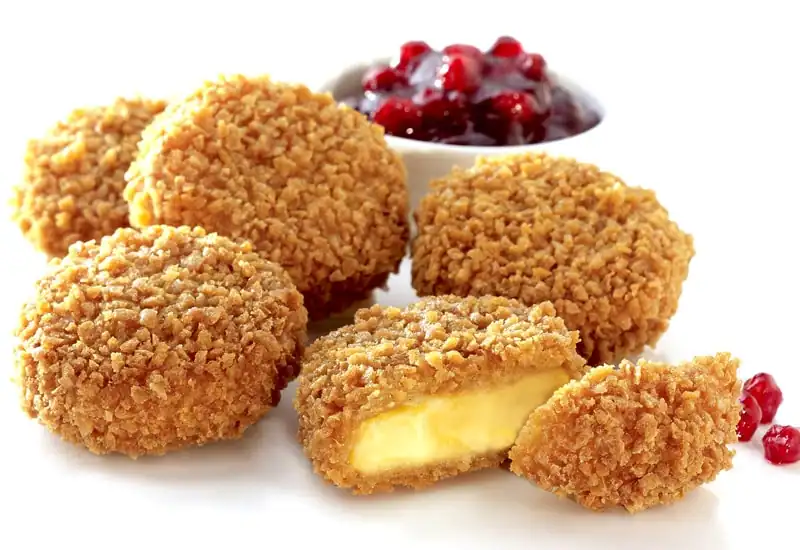
Modified tapioca starch is completely wheat-free because it comes from cassava, a root vegetable that is naturally gluten-free. It’s one of the safest choices for anyone avoiding wheat, gluten, or common allergens.
Here’s why it works so well for gluten‑free diets:
- Tapioca has no wheat, no gluten, and no cross-grains.
- It gives foods a smooth texture without the “gumminess” some gluten-free starches create.
- It holds up well under heat, freezing, and reheating.
These benefits are why modified tapioca starch is widely used in allergen‑friendly bakery items, snacks, sauces, and clean‑label foods. It performs consistently, and manufacturers trust it for stable results. You’ll often see it in products built for celiac safety and gluten-free certifications.
If you’re looking into how modified starch functions in different applications, you can check guides like the explanation of modified starch E1440 on the Taichy platform at their page on hydroxypropyl starch, which offers a clear look at how this type of modified tapioca starch behaves in real manufacturing settings: https://taichymodifiedstarch.com/what-is-the-modify-starch-e1440-hot/
Is Modified Maize (Corn) Starch Wheat‑Free?
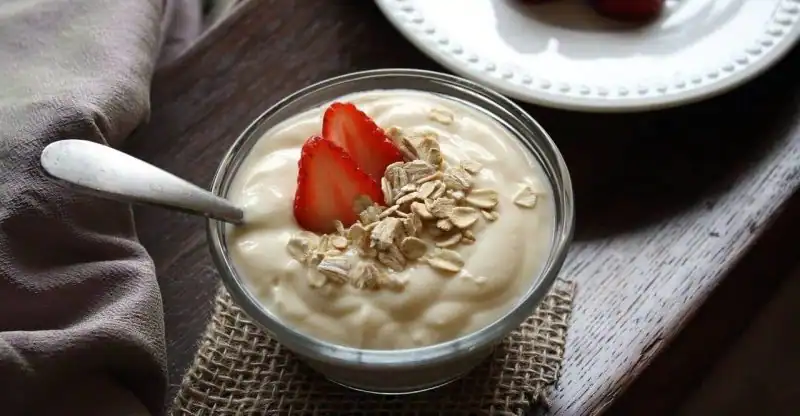
Modified maize starch is naturally wheat‑free because corn does not contain gluten. That’s why most modified food starch in the US comes from corn—it’s affordable, widely available, and performs well in sauces, baked goods, dressings, and processed foods. Many clean‑label and allergen‑friendly formulas also rely on corn‑based starches or options like starch sodium octenyl succinate from waxy maize, which you’ll see in products similar to those explained in the starch sodium octenyl succinate (E1450) overview at Taichy.
For anyone with celiac disease or a wheat allergy, the main concern isn’t the corn itself but potential cross‑contamination. Some facilities process wheat and corn on shared equipment. If you’re highly sensitive, look for products labeled gluten‑free, check allergen statements, or contact the manufacturer when in doubt.
How to Read Labels for Modified Food Starch
When you’re trying to figure out whether modified food starch contains wheat, the label is always your starting point. Most brands now list the starch source right beside the ingredient, so look for clear wording like “modified corn starch” or “modified tapioca starch.” If the source isn’t listed, check the allergen panel. US FDA rules require a “Contains Wheat” statement if the starch is made from wheat, so that line alone answers the question fast.
For extra peace of mind—especially if you need modified food starch that’s gluten free—look for certified gluten‑free logos. These third‑party seals help you avoid hidden gluten or cross‑contact. If a product uses general terms like “food starch modified” with no source and no allergen callout, that’s a sign to double‑check. In cases where labels feel unclear, it’s worth reaching out to the manufacturer directly.
If you want a better sense of how modified starch works in processed foods, this guide on the role of modified starch in stuffing mixes offers helpful context: modified starch functions in stuffed foods.
Safe Alternatives to Wheat‑Based Modified Food Starch
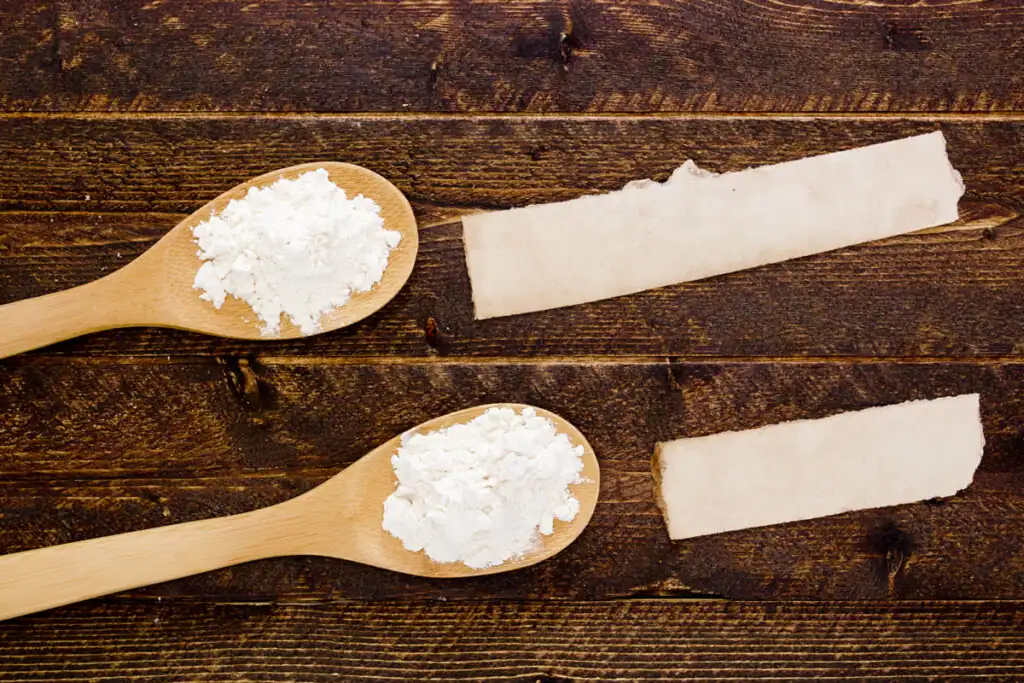
If you want to avoid wheat or gluten, several wheat‑free starches work just as well as traditional modified food starch. These options come from naturally gluten‑free plants, making them safer for people with celiac disease or gluten sensitivity.
Common Wheat‑Free Starch Alternatives
Here are reliable substitutes that do not contain wheat:
• Modified tapioca starch
• Modified corn (maize) starch
• Potato starch
• Rice starch
Why These Options Are Safer
These starches are naturally gluten‑free and offer stable thickening, clean texture, and good performance in hot, cold, or frozen foods. They’re often used in gluten‑free snacks, sauces, bakery items, and ready meals.
Why I Recommend Taichy Food’s Modified Tapioca Starch
Taichy Food’s modified tapioca starch delivers strong stability, clean flavor, and excellent freeze‑thaw performance. It’s a top pick for gluten‑free and allergen‑friendly products thanks to its consistent quality. You can also see how modified starch functions across food categories in their guide on modified starch for rice and flour products at https://taichymodifiedstarch.com/what-did-the-modify-strach-work-for-rice-and-flour-products-series/.
Potential Risks and Considerations
Even though most modified food starch is gluten‑free, there are a few risks to keep in mind. Cross‑contact can happen when corn, tapioca, or potato starch is processed in the same facility as wheat-based ingredients. This usually isn’t an issue for most people, but anyone with celiac disease or high sensitivity should stay alert. Some consumers following very strict or whole‑food diets also prefer to avoid highly processed starches, especially when they’re unsure how the ingredient was handled. If the label doesn’t clearly state the starch source or you need confirmation for medical reasons, it’s best to contact the manufacturer directly. You can also look into safety notes like those discussed in the overview of starch additives and tolerances in the E1422 safety guide at https://taichymodifiedstarch.com/e1422if-it-safe-for-people/.
Frequently Asked Questions
Is all modified food starch gluten-free?
No. Most modified food starch in the US is made from corn, tapioca, or potato and is naturally gluten-free. But some products use wheat-based starch, and those must list “wheat” on the label under FDA rules.
Can modified starch trigger reactions in celiac disease?
If the starch comes from wheat, yes. If it’s sourced from corn or tapioca, it’s considered safe. People who react to trace cross-contact should still check allergen statements or reach out to brands directly.
Best starch substitutes for cooking and baking
• Tapioca starch for stretch and chew
• Potato starch for crispiness
• Corn starch for classic thickening
• Rice starch for light, clean texture
Where to find trusted wheat-free modified starch products
Look for certified gluten-free labels or brands that clearly state the starch source. Many manufacturers provide ingredient transparency, and specialty suppliers such as the modified tapioca starch options in the Taichy Food product line offer reliable wheat-free choices, which you can browse in their full product catalog at https://taichymodifiedstarch.com/product/.