
You keep seeing “modified food starch” on labels… but is modified food starch healthy or bad for you?
It’s in everything from soups and salad dressings to yogurt, frozen meals, and snacks. It sounds technical, maybe even a little scary. Is it just a harmless thickener—or a red flag for highly processed food you should avoid?
In this guide, you’ll learn:
- What modified food starch actually is (in simple terms)
- How it’s made from corn, tapioca, potato, or wheat
- What science and regulators really say about its safety
- When it’s likely fine in moderation—and when it’s a sign your food is too ultra‑processed
- How brands like Taichy Food use more quality-focused ingredients to keep things cleaner
If you’ve ever turned a package around, spotted “modified food starch,” and wondered, “Is this bad for me?”—you’re in the right place.
What Is Modified Food Starch?
When people ask “is modified food starch healthy or bad for you?”, we first need to be clear on what it actually is.
Modified food starch is simply starch from plants that’s been changed slightly in structure so it works better in processed foods. It’s still a carbohydrate, but it’s been tweaked to handle heat, freezing, mixing, and storage without breaking down.
Native Starch vs Modified Starch
Native starch = starch in its natural form, just extracted and dried.
Common kitchen examples:
- Cornstarch
- Potato starch
- Tapioca starch
- Wheat starch
Modified starch = that same starch, but physically or chemically adjusted so it:
- Thickens more reliably
- Stays smooth after freezing and reheating
- Resists separating in sauces, dressings, and yogurts
- Handles transport and long shelf life
The goal is functionality, not to create something “mysterious” or “fake,” but the final ingredient is more processed than native starch.
Common Plant Sources of Modified Food Starch
Most “food starch modified” on labels comes from:
- Corn – the most common, especially in the US; often tied to GMO corn starch concerns
- Tapioca – popular in gluten free modified food starch products
- Potato – gives smooth texture and clarity in sauces and soups
- Wheat – source of modified wheat starch; not gluten free
Unless the label states the source (e.g., “modified corn starch,” “modified tapioca starch”), it may just say “modified food starch”, which can be from any of these.
Why Food Companies Modify Starch
From a product developer’s perspective, we modify starch because it solves real manufacturing problems:
- Stable texture in soups, sauces, and frozen meals
- Improved mouthfeel in yogurts, puddings, and desserts
- Prevents separation in dressings and gravies
- Consistent performance at large scale and over long shelf life
- Cost‑effective compared with some “clean label starch alternatives”
This is why modified starch shows up so often in ultra processed foods ingredients lists: it’s a cheap, reliable, neutral-tasting thickener and stabilizer.
Whether that’s healthy or unhealthy depends less on the starch itself and more on how much of your diet comes from these processed products.
How is modified food starch made?
Modified food starch starts as regular (“native”) starch from plants like corn, tapioca, potato, or wheat. Then it’s tweaked so it behaves better in modern food processing – think: freezes well, reheats without splitting, and keeps sauces smooth. If you want a deeper breakdown of raw materials and functions, this guide on what modified food starch is made from is a solid reference.
Physical, chemical, and enzymatic methods
Food manufacturers use a few main methods:
- Physical modification
- Heat, pressure, drying, or pre‑gelatinization
- Makes starch dissolve faster, thicken instantly, or stay stable when frozen/thawed
- Chemical modification
- Safe food‑grade chemicals lightly “cross‑link” or substitute parts of the starch
- Improves thickness, stability in acids (like salad dressings), and shelf life
- Enzymatic modification
- Enzymes break starch into smaller, more controlled pieces
- Used for specific textures, clarity, or sweetness levels
All of these keep starch as a carb-based ingredient, but change how it behaves in cooking and processing. A quick comparison of corn starch vs modified food starch is covered well in this overview of native vs modified starch functions.
What does “food starch modified” mean on a label?
When you see “food starch modified” on a label, it simply means:
- It’s starch that’s been altered (physically, chemically, or enzymatically)
- It’s used mainly as a thickener, stabilizer, or texture improver
- The label doesn’t have to list the exact process, only that it’s “modified”
If the source is wheat, many regions require it to be stated (e.g., “modified wheat starch”). For corn, potato, or tapioca, brands often just write “modified food starch” unless they want to highlight the source.
GMO vs non‑GMO starch sources
Here’s the reality on GMO vs non‑GMO modified starch:
- Corn starch is the biggest one to watch. In places like the US, a lot of corn is GMO by default.
- Potato and tapioca starch are more likely to be non‑GMO, but it’s not guaranteed unless labeled.
- If you care about non‑GMO:
- Look for “Non‑GMO”, “Non‑GMO Project Verified”, or organic.
- Organic products generally don’t use GMO starch sources by regulation.
So is modified food starch healthy or bad for you? On the “how it’s made” side, the main trade‑off is simple: you’re getting highly functional, stable texture, but it’s still a refined, low‑nutrient carb that often shows up in ultra‑processed foods.
How is modified food starch used in foods?
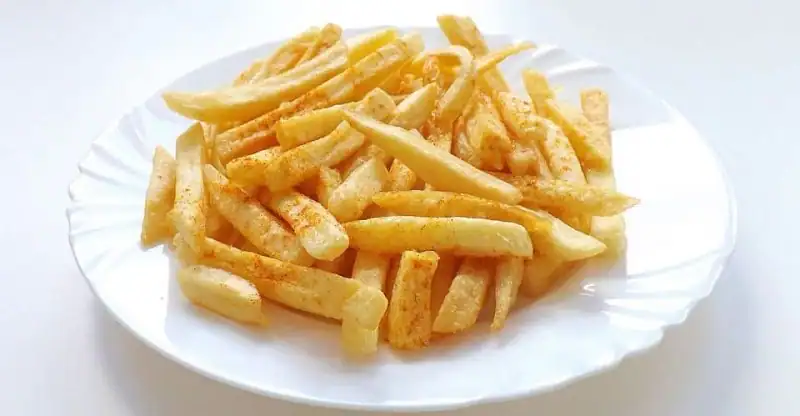
What does modified food starch do?
Modified food starch is a quiet workhorse in processed foods. I use it (and see it used) for four main jobs:
- Thickener – makes sauces, soups, gravies, and fillings thicker and smoother without long cooking.
- Stabilizer – keeps products from separating, like yogurt, salad dressings, and ready-to-drink coffees.
- Emulsifier helper – helps oil and water stay mixed so products look uniform and don’t split.
- Gelling agent – gives structure to puddings, pie fillings, jellies, and some confectionery.
Food makers like it because it’s cheap, consistent, and easy to control in big industrial batches.
Everyday foods that contain modified food starch
You’ll find “food starch modified” or “modified corn starch” all over the supermarket, especially in:
- Soups & sauces – canned soups, instant gravies, jarred sauces
- Snacks – flavored chips, crackers, coated nuts, extruded snacks
- Dairy & desserts – yogurt, puddings, ice cream, custards
- Frozen & convenience meals – frozen dinners, pot pies, microwave pasta
- Baked goods – cakes, muffins, tortillas, some gluten‑free breads
- Processed meat & fillings – sausages, nuggets, dumpling fillings, stuffings (as in many snack and stuffing food applications)
You can see concrete product examples across categories in this breakdown of what foods commonly contain modified starch.
Why it shows up so often in ultra‑processed foods
Modified food starch is almost a signal that a product has gone through a lot of industrial tweaking. It shows up in ultra‑processed foods because it:
- Improves texture cheaply – makes low‑cost ingredients feel creamy or rich.
- Extends shelf life – helps products survive shipping, freezing, thawing, and reheating.
- Fixes “problems” – covers up wateriness, separation, or weak structure in heavily processed formulas.
- Supports mass production – gives factories consistent, predictable results at scale.
On its own, modified food starch isn’t the biggest villain in the ingredient list. The real issue is that it often comes bundled with other ultra‑processed ingredients (added sugars, refined oils, flavor enhancers) in foods you don’t want making up most of your daily diet.
Is modified food starch healthy or bad for you?
When people ask “is modified food starch healthy or bad for you?”, they’re really asking two things:
- Is it safe? and
- Is it good for your overall health?
What “healthy” vs “harmful” really means here
- Healthy: adds real value (fiber, protein, vitamins, good fats) or clearly supports your health goals.
- Harmful: clearly linked to disease risk in normal amounts (like smoking or trans fats).
- Modified food starch usually falls in the middle:
- It’s safe for most people in typical amounts.
- It’s not nutritious – basically refined carbs and empty calories.
- It becomes a problem when it replaces real food and drives up your blood sugar all day.
If you want a simple technical overview of how this ingredient is made and used, this short guide on what modified starch is and how it works in food is a useful reference.
How much modified starch people typically eat
Most people don’t eat big spoonfuls of it – they get it quietly from:
- sauces, soups, gravies
- flavored yogurt, puddings
- frozen meals and snacks
- instant noodles, snacks, bakery items
If most of your diet is packaged and ultra‑processed, your intake of modified corn starch, modified tapioca starch, and modified potato starch can get high without you noticing. If you mostly eat home‑cooked, whole foods, your intake stays low.
When it’s mostly harmless vs a red flag
Mostly harmless when:
- It’s one of many minor ingredients in an otherwise decent product.
- You eat it occasionally, not in every meal.
- You don’t have diabetes, prediabetes, celiac disease, or strong wheat sensitivity (and the source is clear and fits your needs).
Red flag when:
- It shows up in nearly everything you eat in a day.
- It sits near the top of the ingredient list (meaning there’s a lot of it).
- It’s in a product that’s already high in sugar, refined flour, and cheap oils.
- You’re managing blood sugar and noticing spikes after meals full of products thickened with modified starch.
My rule as a business owner and consumer: modified food starch itself isn’t the villain, but when I see it in a long list of additives on ultra‑processed foods, it usually tells me, “this is more chemistry project than real food”—and I put the product back.
Safety of modified food starch: What regulators say
When people ask “is modified food starch healthy or bad for you?”, the first place I look is what the big regulators say and what the science actually tests.
FDA, EFSA, and global approvals
Globally, modified food starch is one of the most widely reviewed additives:
- FDA (U.S.): Most types of modified food starch are classified as GRAS (Generally Recognized As Safe) when used as intended in foods.
- EFSA (Europe): The European Food Safety Authority has repeatedly evaluated different modified starches (like E1422, E1440, E1442, E1450) and allows them in foods within set limits. You can see this in detail in technical overviews of acetylated distarch adipate (E1422) and other modified starch types.
- Other regions (Canada, Australia/New Zealand, many Asian markets) follow similar safety standards, often referencing the JECFA (Joint FAO/WHO Expert Committee on Food Additives).
The short version: regulators worldwide do not see modified food starch as toxic at the levels used in normal foods.
GRAS status and use limits
“GRAS” doesn’t mean “eat unlimited amounts.” It means:
- Experts agree it’s safe under normal use conditions.
- There are purity standards and maximum use levels in specific food categories.
- Manufacturers must keep residues from chemical modification (like certain reagents) below strict limits.
If a company wants to use a new or unusual type of modified starch, it usually needs a specific approval or GRAS notice, not just a free pass.
What safety studies actually test for
When researchers and regulators review modified corn starch, modified tapioca starch, modified potato starch, and modified wheat starch, they look at:
- Toxicity (short‑ and long‑term animal studies)
- Cancer risk (carcinogenicity studies)
- Reproductive and developmental effects (pregnancy, offspring)
- Allergy and intolerance (including gluten issues for wheat‑based modified starch)
- How the starch is digested and excreted
- Impurities from processing (solvents, reagents, by‑products)
Most of the concern is not about acute toxicity (which is very low), but about:
- Over‑consumption of ultra‑processed foods that are loaded with modified starch and other additives
- High glycemic impact (blood sugar spikes) from easily digested starches
So from a regulator’s view, modified food starch is safe, but from a health and nutrition view, the bigger question is how often it shows up in your diet and what kind of foods it’s attached to.
Potential health concerns of modified food starch
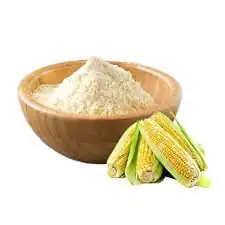
Empty calories and low nutrition
Modified food starch is basically pure refined carb. It adds texture and thickness but almost no vitamins, minerals, or fiber. If most of your sauces, soups, snacks, and desserts use it, you’re getting a lot of empty calories that can crowd out more nutritious foods like veggies, beans, and whole grains.
Blood sugar spikes and high glycemic index
Most modified starches (corn, tapioca, wheat) digest fast, which means:
- Higher glycemic index → quick blood sugar spike
- More insulin demand → not ideal for diabetes, prediabetes, or insulin resistance
If you have blood sugar issues, products loaded with modified food starch (snacks, instant soups, frozen meals) are worth limiting or pairing with protein, fat, and fiber to blunt the spike.
Digestive issues: gas, bloating, loose stools
For most people, small amounts of modified starch are fine. But higher intakes can cause:
- Gas and bloating
- Loose stools or mild diarrhea
especially if you already have IBS, sensitive digestion, or are on a low‑FODMAP plan. Some modified starches are partially fermented in the gut, which can trigger discomfort in sensitive people.
Gluten and wheat‑based modified starch
On labels, “food starch modified” can come from corn, potato, tapioca, or wheat. The risk:
- If it’s wheat‑based modified starch, it can contain gluten
- This is a problem for celiac disease, wheat allergy, or non‑celiac gluten sensitivity
In many regions, the source must be declared (e.g., “modified wheat starch”). If you’re gluten‑free, always double‑check the label and go for explicitly gluten‑free modified food starch or tapioca/potato‑based options.
Chemical processing and “clean label” worries
Some modified starches are treated with acids, heat, enzymes, or approved food‑grade chemicals to change how they behave in products. Regulators see these methods as safe, but from a clean label / minimal processing perspective, many people prefer:
- Native starches (cornstarch, tapioca flour, potato starch)
- Or more “natural‑sounding” thickeners
Brands (including ours) are moving toward clean label starch solutions that still improve texture in products like rice, flour, dairy, and meat systems without scaring off ingredient‑savvy shoppers. If you care about processing, look for products that use simpler starches or clearly explained modified starch technologies for specific applications such as dairy beverages and yogurt-style drinks instead of vague, heavily processed ultra‑processed formulas.
Modified food starch and blood sugar
How quickly modified starch digests
Most modified food starches (corn, tapioca, potato, wheat) are fast‑digesting carbs. The modification process often makes them:
- Easier to break down
- Less “resistant” to digestion
- More likely to raise blood glucose quickly
In other words, they usually act like high glycemic index starch – closer to white bread or instant mashed potatoes than to whole grains or beans.
Impact on insulin and diabetes management
If you have diabetes, insulin resistance, or prediabetes, a lot of modified starch can:
- Cause sharp blood sugar spikes
- Trigger higher insulin needs
- Make it harder to stay in target ranges
- Undercut low‑carb or weight‑loss efforts if it’s in many processed foods you eat
Even though regulators consider specific modified starches (like some E1420 acetylated starches) safe, “safe” doesn’t mean blood‑sugar friendly.
Tips to reduce blood sugar spikes when you eat it
You don’t have to panic if you see “food starch modified” on a label, but you should be smart about it:
Keep portions modest
Smaller serving = smaller glucose spike.Pair it with protein, fat, and fiber
Add chicken, tofu, eggs, avocado, nuts, or veggies to slow digestion.Avoid stacking starches
If a sauce, soup, or yogurt already uses modified starch, skip extra white rice, bread, or fries in the same meal.Prefer resistant or less‑processed starches when you cook
Use whole oats, beans, lentils, or cooled potatoes instead of heavily processed starch thickeners.Check how your body responds
If you use a glucometer or CGM, test the same product twice: once alone, once with added protein/fat. Adjust your routine based on real numbers, not marketing.Choose products where starch isn’t in the top 3–5 ingredients
That’s a quick shortcut to avoid high‑glycemic, starch‑heavy ultra‑processed foods.
Handled in small amounts and combined with real food, modified food starch is usually manageable. When it starts showing up in everything you eat, your blood sugar control is what pays the price.
Modified food starch and gut health

Modified starch vs resistant starch
Most modified food starch in packaged foods is designed to be easy to digest. That means:
- It breaks down quickly into glucose
- It behaves more like high glycemic index starch than fiber
- It usually doesn’t act like resistant starch
By contrast, resistant starch (from cooled potatoes, green bananas, some potato/tapioca products, etc.) resists digestion in the small intestine and feeds gut bacteria in the colon. That’s the type linked with:
- Better blood sugar control
- More short‑chain fatty acids (like butyrate)
- Possibly lower inflammation
Some specialty modified starches in the EU and Asia are actually designed to be more “resistant” (e.g., phosphate‑crosslinked types like E1420 acetylated starches and certain E1442 hydroxypropyl distarch phosphates), but the bulk of food starch modified you see on labels is just quick energy, not gut fuel.
Does modified food starch help or hurt your microbiome?
For most people, modified food starch is neutral at low doses:
- It doesn’t actively “feed” the microbiome like resistant starch or fiber
- It also usually doesn’t damage gut bacteria directly at normal intakes
- The real issue is that it displaces whole foods: less beans, oats, veggies, and fruit = less fiber and resistant starch for your gut
Where it can be a problem is when it shows up in almost everything you eat (snacks, sauces, frozen meals, yogurts, desserts). That pattern usually goes with:
- Low fiber intake
- Higher blood sugar swings
- Fewer diverse plant foods = poorer microbiome diversity
Some people also notice digestive side effects:
- Gas and bloating
- Rumbling or loose stools
- Rarely, constipation if their overall diet is low in fiber
If that’s you, scaling back heavily processed foods that rely on modified starch and swapping in whole‑food carbs usually helps fast.
Who might need to be more careful?
You don’t have to fear modified food starch, but some groups should pay closer attention:
IBS / sensitive digestion / low‑FODMAP
- Sudden high intake from ultra‑processed foods can trigger bloating and discomfort
- Test tolerance in small portions and avoid stacking multiple starch‑heavy products in one meal
Diabetes, prediabetes, insulin resistance
- Modified starch often has a high glycemic impact
- Pair it with protein, fat, and fiber, or better yet, choose whole‑food carbs when you can
Kids
- Growing guts benefit far more from fiber‑rich, minimally processed foods than from constant refined starches
- Use modified starch foods as occasional convenience, not the base of their diet
People with gut issues under investigation (IBD, SIBO, etc.)
- Work with your doctor or dietitian to test tolerance; many do better with simpler, less processed carb sources while things are inflamed
Bottom line: modified food starch isn’t automatically “bad”, but relying on it daily instead of whole grains, legumes, roots, and veggies is not great for gut health or your microbiome long‑term.
Is modified food starch gluten free?
When is modified food starch gluten free?
Most of the time, modified food starch is gluten free, because it usually comes from:
- Corn starch
- Potato starch
- Tapioca starch / cassava
- Sometimes rice starch
These are all naturally gluten‑free and, when processed correctly, are safe for most people with celiac disease or gluten sensitivity. Many large suppliers follow strict controls so their modified starches meet gluten‑free standards and safety expectations similar to those discussed for E1422 acetylated distarch adipate safety.
The main exception is wheat‑based modified starch.
How to spot wheat‑based modified starch on labels
In most countries, if modified starch comes from wheat, the label must say so. Look for:
- “Modified wheat starch”
- “Food starch modified (wheat)”
- “Wheat starch” or “wheat” in the allergen list
If the label just says “modified food starch” or “food starch modified” with no source listed, it’s usually corn in the US and many global markets, but not always. For celiac or high sensitivity, don’t guess:
- Prefer products that clearly say: “gluten free”
- Choose brands that list the starch source (corn, tapioca, potato, rice)
- Be extra careful with imported foods, sauces, and processed meats, where wheat starch is more common
Gluten‑free tips for celiac or gluten sensitivity
If you need to avoid gluten strictly, here’s how I’d play it:
- Look for a gluten‑free certification on the front of the pack
- In the ingredient list, only trust:
- “Modified corn starch”
- “Modified tapioca starch”
- “Modified potato starch”
- “Modified rice starch”
- Avoid or double‑check:
- Any mention of wheat, barley, rye, malt
- Vague “modified food starch” with no source, especially in European or Asian imports
- For higher‑risk products (soups, gravies, instant noodles, breaded foods), choose brands that are open about their starch source and allergen handling
Bottom line: modified food starch can be fully gluten free, but only when it’s made from gluten‑free plants and processed in clean conditions. For celiac or serious sensitivity, label reading is non‑negotiable.
Common types of modified food starch
When people ask “is modified food starch healthy or bad for you?”, they’re usually talking about one of four big players: modified corn starch, modified tapioca starch, modified potato starch, and modified wheat starch. Each behaves differently in food – and has its own pros, cons, and health angles.
Modified corn starch: uses, pros, and cons
Where it shows up:
- Chips and crunchy snacks
- Gravies, canned soups, sauces
- Frozen meals, ready-to-eat dinners
- Puddings, yogurts, and confectionery
Food brands love modified corn starch because it:
- Thickens quickly and reliably
- Survives freezing, reheating, and long shelf life
- Is cheap and easy to source (often from GMO corn)
Pros:
- Generally recognized as safe (GRAS) by FDA
- Stable texture in processed foods
- Neutral taste and color
Cons:
- Often comes from GMO corn unless labeled non‑GMO
- Mostly empty carbs with a high glycemic impact
- Common in ultra‑processed foods you don’t want to rely on daily
- Some people report mild digestive discomfort with large amounts
If you’re worried about modified corn starch health, I tend to limit it in:
- Daily snack foods (chips, crackers, candy coatings)
- Highly processed ready meals with long ingredient lists
If you’re curious about how modified starch is used in snacks and confectionery, check how it functions in this type of confectionery and snack food starch series.
Modified tapioca starch: is it better for you?
Where it shows up:
- Gluten‑free bread, cookies, and cake mixes
- Dairy alternatives, puddings, and desserts
- Asian-style sauces and frozen meals
Why brands push it:
- Naturally gluten free
- Gives a soft, chewy texture that gluten‑free products need
- Clear, glossy finish in sauces and fillings
Pros:
- Good for gluten‑free and wheat‑free diets
- Usually easier to digest than some grain starches
- Neutral flavor and very versatile
Cons:
- Still a high‑glycemic starch (can spike blood sugar)
- Almost no fiber, protein, or micronutrients
- Overused in gluten‑free junk foods (cookies, snacks, frozen desserts)
If you’re asking “is modified tapioca starch bad for you?”, the short version is:
- In small amounts, it’s not a big deal for most people.
- In big amounts, especially if you have diabetes or insulin resistance, it’s smart to keep it in check.
Modified potato starch: texture, clarity, and health impact
Where it shows up:
- Clear soups and sauces
- Ready meals and gravies
- Some snack coatings and gluten‑free baking
Why it’s popular:
- Great clarity – keeps sauces more transparent
- Makes smooth, silky textures
- Handles heating and cooling cycles well
Pros:
- Often non‑GMO (depending on region)
- Nice mouthfeel and clean taste
- Some forms of potato starch (not all modified ones) can contain resistant starch when cooked then cooled – that can help gut bacteria and blood sugar. But once starch is heavily modified (like some E1420 acetylated starches), you lose most of that resistant starch benefit. You can see more about one common type and its E1420 function in food.
Cons:
- Like others, usually fast-digesting carbs with minimal nutrition
- Can still raise blood sugar unless specifically formulated as resistant starch
- Easy to overconsume in processed soups, sauces, and frozen dishes
When people ask “is modified potato starch healthy?”, I see it as:
- Fine in moderation, especially in simple ingredient lists
- Not a “superfood” – still mostly refined starch
Modified wheat starch: gluten issues and where it hides
Where it shows up:
- Processed meats (sausages, deli meats)
- Breads, baked goods, and snack foods
- Some noodles and instant meals
- Sauces, gravies, and batters
Why companies use it:
- Cheap, widely available
- Adds bulk and improves softness/texture
- Works well in doughs and batters
Gluten issues:
- Modified wheat starch is NOT gluten free unless it’s a special, certified gluten‑removed version (and even then, many with celiac don’t trust it).
- If the label just says “modified food starch” in a region where wheat is common, people with celiac disease or gluten sensitivity should be cautious.
How it hides:
- “Modified food starch” (if the source isn’t disclosed)
- “Wheat starch” or “modified wheat starch”
- In processed meats, soups, sauces, or snack coatings where you wouldn’t expect wheat
For anyone asking “is modified wheat starch healthy?”:
- For most people, it’s just another refined carb.
- For celiac, gluten sensitivity, or wheat allergy, it’s a hard no unless the source and gluten status are clearly labeled.
Bottom line: none of these modified starches are “toxic,” but they’re all refined carbs. The bigger health question isn’t just “is modified food starch healthy or bad for you?” – it’s how often you’re relying on ultra‑processed foods that are loaded with these starches instead of real, whole foods.
Modified corn starch: healthy or bad for you?
Modified corn starch isn’t “toxic,” but it’s not a health food either. It’s basically a highly processed, easy‑to-digest carb with almost zero vitamins, minerals, or fiber. In small amounts, it’s usually fine for most people. The real issue is that it often shows up in ultra‑processed foods you’re better off eating less of overall.
Where modified corn starch shows up
You’ll see modified corn starch all over the place, especially in:
- Snacks: chips, crackers, coated nuts, instant noodles
- Sauces & condiments: salad dressings, gravies, tomato ketchup and seasoning sauces (it’s a common stabilizer in products like these condiment and ketchup starch systems)
- Frozen meals: ready-made pasta dishes, casseroles, pies, microwave dinners
- Desserts & dairy: puddings, yogurts, custards, pie fillings
Brands use it because it’s cheap, stable when frozen or reheated, and keeps textures creamy and smooth.
Allergy, GMO, and blood sugar issues
Allergies:
- Pure modified corn starch is usually safe for people with a corn allergy, but in real life, ultra‑processed foods can have traces of other allergens.
- If you react to corn, I’d still be careful and talk to your doctor before trusting it.
GMO concerns:
- In many markets (especially the US), most corn is GMO. Unless a product says “non‑GMO” or is certified organic, the modified corn starch is almost certainly GMO.
- If GMO is a deal‑breaker for you, look for organic or non‑GMO verified labels.
Blood sugar:
- Modified corn starch digests fast and can spike blood sugar more than many whole‑food carbs.
- For people with diabetes, prediabetes, insulin resistance, or on a low‑carb diet, this is a reason to keep it occasional, not everyday.
When I personally limit modified corn starch
I don’t freak out if I see “food starch modified” once in a while, but I do pull back when:
- It’s high on the ingredient list (top 3–4 ingredients) – that tells me the product is basically built on cheap starch.
- It’s in multiple things I’d eat the same day (snack + frozen meal + dessert all with modified corn starch).
- I’m buying food for blood sugar control (for myself or family with diabetes).
- I see it bundled with a long list of other red‑flag ingredients: added sugars, seed oils, artificial flavors, colors, stabilizers.
My rule:
If modified corn starch is just a background helper in an otherwise decent product, I don’t stress.
If it’s part of a heavily processed, low‑nutrition food, I use that as a sign to put it back and pick something closer to whole food.
Modified tapioca starch: healthy or bad for you?
Modified tapioca starch is usually neutral, not “healthy” or “harmful” by itself. It’s a refined carb with almost no vitamins, minerals, or fiber. The real question is: what kind of product is it in, and how often are you eating it? In small amounts, most people handle it just fine.
Why modified tapioca starch is popular in gluten‑free foods
Tapioca starch is a favorite in gluten‑free breads, snacks, and baked goods because it:
- Gives softness and chew that mimics gluten
- Works well in frozen and reheated foods
- Has a neutral taste and clear color
- Is naturally gluten free, which is a big plus for celiac and wheat‑free diets
A lot of gluten‑free brands lean on it as a “hero” texture ingredient instead of wheat flour.
Digestibility and blood sugar impact
Modified tapioca starch is:
- Very easy to digest – it breaks down fast in your gut
- High glycemic – it can spike blood sugar and insulin quickly, similar to other refined starches
- Low in fiber and protein, so it doesn’t do much to keep you full
If you have diabetes, prediabetes, PCOS, or insulin resistance, you’ll want to watch how often you eat foods where modified tapioca starch is one of the first ingredients, especially in snacks, breads, and instant desserts.
Who should be careful with modified tapioca starch?
Most people can eat some modified tapioca starch without issues, but it can be a problem if:
You’re managing blood sugar
- Prioritize products with more protein, fiber, and healthy fats alongside it.
- Pair tapioca‑heavy foods with veggies, protein, or nuts to blunt the spike.
You’re on a low‑carb or keto diet
- It’s not low‑carb. Keep it rare or skip it.
You have sensitive digestion
- Some people get gas, bloating, or loose stools with large amounts of refined starches.
- Try smaller portions and see how your body reacts.
You live on ultra‑processed gluten‑free products
- If tapioca starch shows up in almost every packaged food you eat, that’s a red flag.
- Balance with whole foods: potatoes, rice, beans, eggs, meat, veggies, and simple gluten‑free flours.
For brands and food producers, modified tapioca starch can be a useful tool to get better texture in gluten‑free snacks and baked goods. For example, specialized modified starches for baked goods are designed to improve softness, shelf life, and freeze–thaw stability without relying on gluten. The key is using it smartly, not as a crutch to load products with empty carbs.
Modified potato starch: healthy or bad for you?
Modified potato starch sits in the “neutral” zone for most people. It’s not a superfood, but it’s not a villain either. It’s basically a highly processed carb used for texture, not nutrition. On its own, it’s:
- Low in vitamins, minerals, and fiber
- High in fast-digesting starch (so it can spike blood sugar)
- Generally recognized as safe (GRAS) by regulators when used within normal limits
For most healthy adults, small amounts of modified potato starch in sauces, snacks, or frozen meals are not a big health risk. The real issue is when it shows up everywhere in your diet, usually as part of ultra‑processed foods.
How modified potato starch behaves in cooking
Food makers (and chefs) like modified potato starch because it’s predictable and easy to work with:
- Great thickener for soups, sauces, gravies, and pie fillings
- Gives a smooth, glossy texture and holds up well when cooled or frozen
- Stable under heat, acid, and stirring, so it doesn’t separate or get stringy
- Often used in frozen meals, ready sauces, meat products, and bakery fillings
If you’re in food manufacturing or product development, you’ll see it used a lot where you need clean, stable texture across processing and storage, similar to how modified starches are used to stabilize sauces and coatings.
Resistant vs modified potato starch: big difference
Don’t mix up resistant potato starch with modified potato starch – they’re not the same thing.
Resistant potato starch (often from cooked-and-cooled potatoes or special products):
- Acts more like fiber, not a regular carb
- Resists digestion in the small intestine
- Feeds good gut bacteria, can help improve insulin sensitivity and support gut health
Modified potato starch (what’s on most labels as “modified food starch” or “modified potato starch”):
- Engineered mainly for texture, stability, and processing
- Usually digests quickly, similar to regular starch
- Offers little to no fiber
Modified food starch in special diets
Gluten‑free & wheat‑free eating
Modified food starch can be gluten free, but not always. It depends on the source:
- Usually gluten free: corn, potato, tapioca modified starch
- Risk for gluten: wheat‑based modified starch and sometimes barley or rye derivatives
If you have celiac or wheat allergy:
- Look for “gluten‑free” on the pack
- Avoid products that list “modified wheat starch”
- In the US/EU, wheat must be declared, so check the allergen line carefully
Diabetes & low‑carb lifestyles
From a blood sugar point of view, most modified food starch is fast‑digesting, high‑glycemic starch:
- It can spike blood sugar and insulin quickly
- It usually comes in foods that are already high in refined carbs (soups, sauces, frozen meals, snacks)
If you’re managing diabetes or eating low‑carb:
- Treat modified starch like any other refined carb
- Use smaller portions, add protein, fat, and fiber in the same meal
- Prefer products using whole ingredients over ultra‑processed, starch‑heavy options
Low‑FODMAP & sensitive digestion
For IBS or sensitive guts, modified food starch is usually low‑FODMAP, but can still trigger symptoms in some people:
- Large amounts can cause gas, bloating, or loose stools
- People sensitive to additives sometimes feel better when they cut back on heavily thickened sauces and snacks
If your digestion is touchy:
- Test your own tolerance with small amounts
- Rotate with simpler thickeners like cornstarch, tapioca flour, or arrowroot
- Be extra cautious with mixed ultra‑processed foods where starch shows up with multiple other additives
Kids, pregnancy & extra caution
Regulators consider modified food starch safe (GRAS) for all ages, including pregnancy. That said, I still try to:
- Keep it occasional in kids’ diets and focus on whole foods
- Avoid ultra‑processed products where modified starch is high on the list
- Choose simpler recipes and “cleaner label” products when possible
For applications like coatings and batter in snacks, I often work with specialized modified starch for batter mixes so we can get texture and crispiness with less overall starch load and a shorter ingredient list, which fits better with what health‑conscious families are asking for.
Clean label and “natural” alternatives to modified food starch

If you’re not sure is modified food starch healthy or bad for you, a simple move is to choose “clean label” thickeners instead.
What “clean label starch” really means
“Clean label starch” usually means:
- Recognizable ingredient (something you’d cook with at home)
- Minimal processing
- No chemical modification codes (like E1420, E1440, etc.)
Brands use clean label starches to replace more complex food starch modified ingredients, while keeping texture and shelf life.
Arrowroot, tapioca flour, and other simple starches
These are basic, “native” starches, not chemically modified:
Arrowroot powder
- Neutral taste, great for clear sauces and glossy fruit fillings
- Thickens at low heat, but can break down with long boiling
Tapioca flour / starch
- Naturally gluten free, smooth texture
- Great for stir-fry sauces, gravies, and gluten‑free baking
Cornstarch (regular, not modified corn starch)
- Cheap, easy to find, strong thickener
- Can be high glycemic, so not ideal if you’re watching blood sugar
Potato starch
- Very good for crisp coatings and clear soups
- Also gluten free and mild in flavor
For certain applications, more functional modified versions like hydroxypropyl starch E1440 or acetylated starch E1420 are used in industry, but for home cooking these simple starches usually do the job.
Xanthan gum, guar gum, and modern thickeners
If you want to avoid modified food starch but still want strong thickening with less carbs:
Xanthan gum
- Very powerful thickener; you only need a pinch
- Common in gluten‑free baking, salad dressings, sauces
- Can cause gas/bloating for some if used heavily
Guar gum
- Made from guar beans, good for cold drinks and sauces
- Also very concentrated; too much makes food “slimy”
These are handy if you’re low‑carb, diabetic, or keto, since they add almost no digestible carbs.
Whole‑food thickening options
If you want to stay as “real food” as possible and reduce ultra‑processed ingredients:
- Vegetable purees
- Blended carrots, pumpkin, cauliflower, or potatoes to thicken soups and curries
- Beans and lentils
- Pureed white beans or lentils for creamy, fiber‑rich sauces
- Eggs and yolks
- Tempered egg yolks for custards, puddings, and creamy sauces
- Nut and seed butters
- Peanut, almond, or tahini to thicken dressings and stews
These swaps give you more fiber, nutrients, and satiety than modified starch ever will, and they’re an easy way to move toward “cleaner” eating without overthinking the label.
Healthier swaps for modified food starch in cooking
If you’re trying to cut back on additives, you don’t have to give up creamy sauces or perfect cakes. You just need smarter, simpler swaps for modified food starch.
Homemade sauce and soup thickeners
Instead of “food starch modified,” I usually go with:
- Cornstarch or potato starch (plain, not modified) – quick thickener for stir‑fries, gravies, clear soups.
- Flour + fat (roux) – classic base for creamy soups, stews, cheese sauce, mac and cheese.
- Arrowroot or tapioca flour – great clean‑label option, glossy finish, works well in acidic sauces.
- Pureed veggies – potatoes, cauliflower, carrots, pumpkin, or white beans to thicken without ultra‑processed starch.
Tips so you don’t lose texture:
- Mix starch with cold water first (slurry) to avoid lumps.
- Add slowly, simmer 1–2 minutes, then stop; overcooking can thin the sauce again.
- For “creaminess” with less starch, add a bit of yogurt, cream, or blended beans.
Better choices for baking and desserts
To replace modified corn starch or modified tapioca starch in baking:
- Regular tapioca starch/flour – great in gluten‑free baking for chew and stretch.
- Potato starch – light, tender crumb in cakes and gluten‑free breads.
- Cornstarch – helps cookies stay tender, thickens fruit fillings.
- Oat flour or whole‑grain flours – boost fiber and nutrition while still helping structure.
For puddings, pie fillings, and custards, use:
- Egg yolks + cornstarch
- Arrowroot for clear, glossy fruit fillings
- Gelatin or agar for firm, sliceable desserts
If you’re working on more advanced clean‑label formulations for commercial products, modified solutions like acetylated distarch phosphate (see this E1414 modified starch overview) can sometimes be swapped out by carefully blended native starches plus gums.
How to tweak recipes without losing texture
When you remove modified food starch, adjust the recipe a bit instead of doing a 1:1 swap and hoping for the best:
- Use a mix of starches
- Example: 50% tapioca + 50% potato starch for gluten‑free bread with bounce and softness.
- Layer thickeners
- Small amount of starch + a little fat + a bit of protein (milk, eggs, yogurt) gives body without loads of starch.
- Control water
- Add liquid more slowly; many home recipes are too “wet” because they rely on industrial thickeners.
- Chill time
- Sauces, gravies, and fillings thicken more as they cool. Stop adding starch just before it looks “perfect.”
If you’re developing products or just really dialing in texture at home, you can also bring in xanthan gum or guar gum at tiny doses to get stability that normally comes from modified starch—without loading up on high‑glycemic, ultra‑processed ingredients.
Bottom line: you can absolutely replace modified food starch with simpler, gluten‑free, and lower‑processing options and still get great texture in sauces, soups, baking, and desserts. It just takes a little tweaking, not sacrifice.
How to read labels for modified food starch
When you’re trying to figure out “is modified food starch healthy or bad for you?”, label reading is your first filter. Here’s how I break it down fast.
Different names modified food starch appears under
On ingredient lists, you’ll usually see:
| Common Label Name | What It Means |
|---|---|
| Modified food starch | Generic, source not stated |
| Food starch, modified | Same thing, just flipped wording |
| Modified corn starch | Clearly from corn |
| Modified tapioca starch | From tapioca/cassava (often gluten free) |
| Modified potato starch | From potato |
| Modified wheat starch | From wheat (contains gluten) |
Some manufacturers use more specific technical types on spec sheets and B2B sites like acetylated starch, oxidized starch, cross‑linked starch, etc. If you work in food manufacturing or sourcing, a specialized supplier like Taichy Modified Starch will label these clearly by function and source.
How to tell the source: corn, wheat, potato, tapioca
On retail products, you’ll usually know the source from:
- Named in brackets
- “Modified food starch (corn)”
- “Modified food starch (wheat)”
- Allergen statement
- If it’s from wheat, you’ll often see: “Contains: Wheat.”
- Gluten‑free claim
- If the label says “gluten free”, any modified food starch in there must be from non‑wheat sources (corn, potato, tapioca, etc.)
- Country & product type clues (not perfect, but useful):
- US snacks/soups: usually corn
- EU bakery, processed meats: often wheat or potato
- Asian gluten‑free products, bubble teas, chewy snacks: often tapioca
If the source isn’t clear and you have celiac disease, wheat allergy, or strong gluten sensitivity, don’t guess. Either contact the brand or skip it.
Other red‑flag ingredients that often show up with it
Modified food starch by itself is usually neutral; the bigger issue is the company it keeps. I personally see it as a yellow light when it rides along with:
- Added sugars: high fructose corn syrup, glucose syrup, maltodextrin, corn syrup solids, dextrose
- Refined flours: enriched wheat flour, white rice flour
- Cheap fats: hydrogenated oils, interesterified fats, palm oil blends
- Flavor boosters: monosodium glutamate (MSG), “artificial flavors,” yeast extract
- Color additives: artificial colors (Red 40, Yellow 5, etc.)
- Too many gums & stabilizers: carrageenan, polysorbates, sodium stearoyl lactylate in long lists
When you see modified food starch plus a long ingredient list of ultra‑processed add‑ons, that’s when I’d say the product is likely unhealthy overall, even if the starch itself is technically safe.
For product developers and buyers, this is also why many of us are shifting toward clean label starch solutions from trusted manufacturers (for example, the functional starch ranges highlighted on the Taichy Modified Starch product site), to keep formulas short, clear, and consumer‑friendly.
How much modified food starch is too much?
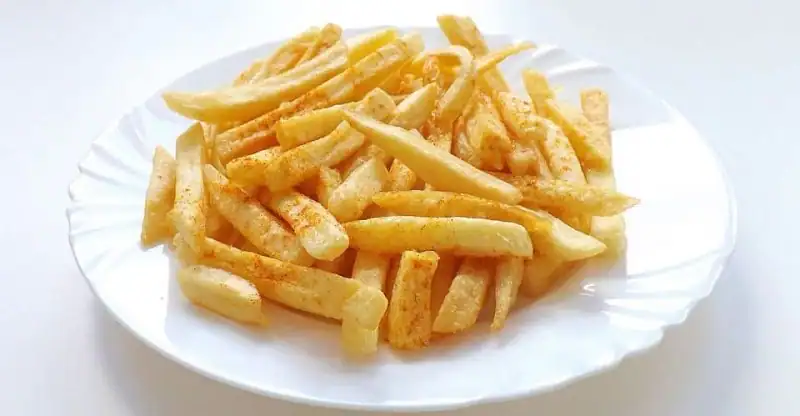
When we ask “is modified food starch healthy or bad for you?”, the real issue is how often it shows up in your day, not a tiny amount in one product.
Spotting when it’s in “everything” you eat
You’re probably overdoing modified food starch if most of these in a normal day have it on the label:
- Breakfast: flavored yogurt, cereal, instant oatmeal, coffee creamer
- Lunch: packaged soup, deli meats, salad dressing, instant noodles
- Snacks: chips, crackers, cookies, puddings, “diet” snacks
- Dinner: frozen meals, jarred sauces, gravy mixes, breaded meats
- Drinks: some smoothies, meal replacements, “protein” drinks
If 3–4+ meals or snacks a day include “food starch modified”, modified corn starch, modified tapioca starch, or modified potato starch, it’s too much. At that point, it’s a sign your whole diet leans heavily on ultra‑processed foods, not just starch.
Daily habits that quietly drive up intake
These patterns push your modified starch intake way up without you noticing:
- Relying on frozen meals or instant noodles most weekdays
- Grabbing packaged snacks instead of fruit, nuts, or yogurt
- Using packaged gravy, soup mixes, and sauce packets all the time
- Drinking “health” shakes and flavored yogurts every day
- Buying only convenience breads, wraps, and breaded products
The problem isn’t that modified food starch is poisonous; it’s that it usually comes bundled with low‑fiber, high‑salt, and high‑sugar foods.
Simple rules of thumb to keep it in check
You don’t need to obsess, just manage it:
- Aim for 70–80% of your diet from whole or minimally processed foods
(fresh or frozen veggies, whole grains, plain dairy, meat, eggs, legumes). - Limit modified starch to 1–2 products a day, not every single item you eat.
- Swap one ultra‑processed item per meal
- Flavored yogurt → plain yogurt + fruit
- Jarred sauce filled with additives → simple tomato passata + herbs
- Packaged soup → homemade or a cleaner canned option
- Scan labels fast: if modified food starch is in the top 3–4 ingredients in tons of what you buy, switch brands or choose simpler products.
If I see modified starch once in a day in something like yogurt or a sauce, I don’t stress. If it’s in every meal, that’s a diet issue, and I treat it as a red flag to cut back and shift toward more whole‑food options or cleaner formulations (for example, brands that use simpler starch systems similar to those discussed in many modified starch industry overviews).
Is modified food starch always a deal‑breaker?
For me, modified food starch isn’t automatically “bad”—but it is a signal to slow down and look at the whole product. The real question isn’t “is modified food starch healthy or bad for you?” but “what kind of product is it hiding in, and how often am I eating it?”.
When I don’t worry about modified food starch
I usually don’t stress about food starch modified when:
- It’s in a simple product with an otherwise clean label (e.g. plain yogurt, a basic tomato sauce, frozen veggies in sauce).
- It appears once, near the middle or end of the ingredient list.
- The rest of the label looks solid:
- No long list of additives
- Reasonable sugar, salt, and fat
- Decent protein or fiber
- I’m eating it occasionally, not every day in every meal.
In these cases, modified starch is just a texture helper, not a major health threat.
When I put the product back on the shelf
I treat modified food starch as a red flag when it shows up in products that are clearly ultra‑processed:
- It’s in the top 3–5 ingredients, especially in:
- Instant noodles and cup soups
- Cheap frozen meals and sauces
- Processed meats, nuggets, and snack foods
- Puddings, desserts, sugary yogurts
- The ingredient list is long, with:
- Multiple starches, gums, sweeteners, and flavors
- Several oils (especially palm, interesterified, hydrogenated)
- The nutrition label screams “junk”:
- High sugar or refined carbs
- High sodium
- Almost no fiber or real ingredients
In those cases, modified starch isn’t the only issue—it’s a sign the whole product is engineered, not cooked.
Balancing convenience foods with whole foods
The goal isn’t to fear modified starch; it’s to keep it in its place:
- Build your base around whole foods
- Fresh or frozen veggies and fruit
- Beans, lentils, whole grains
- Eggs, fish, poultry, tofu
- Use convenience foods as “supporting actors,” not the main cast:
- A frozen sauce with modified starch over a plate of fresh veggies and chicken
- A jarred soup with starch, plus extra beans and greens added at home
- Simple rules I follow:
- If modified food starch shows up in most of what I ate today, that’s my cue to dial back the packaged stuff tomorrow.
- If I can’t cook, I still aim for short ingredient lists and products that look like “food I recognize,” not a lab formula.
Bottom line: modified food starch is not always a deal‑breaker, but if it keeps showing up in everything you buy, it usually means your diet is leaning too hard on ultra‑processed foods—and that’s where the real health problem starts.
Practical tips for smarter choices
When it comes to modified food starch, I don’t treat it as poison, but I also don’t want it in everything I eat. Here’s how I keep it under control without overthinking it.
Quick label‑reading checklist
When you grab something off the shelf, scan the label fast:
- Check the first 3–5 ingredients
- If you see “modified food starch”, “food starch modified”, or “modified corn/tapioca/potato/wheat starch” near the top, it’s usually a highly processed food.
- Look for source clues
- “Modified corn starch” → likely GMO unless labeled non‑GMO.
- “Modified wheat starch” → not gluten free.
- “Modified tapioca starch” / “modified potato starch” → usually gluten free, but still a fast carb.
- Scan for red‑flag buddies
- If modified food starch sits next to things like high fructose corn syrup, hydrogenated oils, artificial colors, flavor enhancers (MSG), you’re in ultra‑processed territory.
- Check sugars + fiber
- High sugar, low fiber, plus modified starch = blood sugar spike risk.
- Serving size reality check
- If you’ll eat double the serving, you’re getting double the refined starch.
Use this rule: If modified food starch is one of several minor ingredients in an otherwise decent product, I don’t stress. If it’s near the top with a long list of additives, I put it back.
Easy food swaps at the store
You don’t have to cut out modified starch completely; just upgrade the big daily items:
- Yogurt & dairy
- Swap flavored yogurts with “modified food starch” for plain yogurt + your own fruit or honey.
- Soups & sauces
- Skip canned soups and jarred sauces thickened with modified starch + sugar.
- Choose brands with short, simple ingredients (tomatoes, cream, broth, herbs, maybe corn starch or potato starch).
- Snacks
- Chips, crackers, and “baked snacks” often use modified corn starch.
- Swap for nuts, seeds, popcorn (minimal ingredients), rice cakes, or simple whole‑grain crackers without modified starch.
- Ready meals & frozen foods
- Instead of daily frozen meals heavy on modified starch, rotate in:
- Frozen plain veggies + cooked protein
- Frozen rice or quinoa and your own sauce.
- Instead of daily frozen meals heavy on modified starch, rotate in:
- Gluten‑free products
- A lot of GF breads and snacks lean on modified tapioca starch and modified potato starch.
- Look for options that include whole grains (brown rice, millet, sorghum, oats), not just refined starch blends.
Meal prep ideas to rely less on ultra‑processed foods
A bit of prep once or twice a week means you don’t need to live on modified food starch–heavy products:
- Batch cook simple carbs
- Make a pot of rice, potatoes, sweet potatoes, quinoa, or pasta.
- Store in the fridge for
FAQ on modified food starch health
Is modified tapioca starch bad for you?
Most people handle modified tapioca starch just fine. It’s:
- Gluten free and usually easy to digest
- Mainly “empty” carbs with little protein, fiber, or vitamins
- A concern mainly if you have blood sugar issues (it’s still a high‑glycemic starch) or eat a lot of ultra‑processed foods
Used now and then in sauces, snacks, or gluten‑free products, it’s not automatically bad for you. The bigger issue is the overall diet, not one thickener.
Is modified corn starch healthy or unhealthy?
Modified corn starch is:
- Safe according to FDA, EFSA, and other regulators
- Cheap, very common in snacks, frozen meals, and sauces
- Not “healthy” in itself – it’s just refined starch, low in nutrients
- Often from GMO corn (look for “non‑GMO” or organic if that matters to you)
I treat it as neutral but not helpful: fine in small amounts, a red flag if it shows up in almost everything you eat.
Does modified food starch contain gluten?
Sometimes yes, sometimes no. It depends on the source:
- Corn, potato, tapioca = naturally gluten free
- Wheat = contains gluten, unless it’s specially processed and labeled gluten free
Label tips:
- In the US/EU, if it’s from wheat, it usually must say “wheat” somewhere near the ingredient
- For celiac or strong gluten sensitivity, choose products labeled “gluten free” and avoid anything that lists “modified wheat starch”
What can I use instead of modified starch to thicken sauces?
You can skip modified food starch at home and use:
- Cornstarch, potato starch, or tapioca flour (simple “native” starches)
- Arrowroot for clear, glossy sauces
- Xanthan gum or guar gum (you only need a tiny pinch)
- Whole‑food options: blended veggies (potato, cauliflower, carrot), pureed beans, yogurt, egg yolk, or reduced‑down stock/cream
These give you more control, fewer additives, and often better nutrition.
Why do some brands avoid modified food starch altogether?
Brands drop modified food starch mainly because:
- Shoppers want “clean labels” with ingredients they recognize
- They can use simple starches (cornstarch, tapioca flour, potato starch) or gums instead
- Avoiding GMO corn and “chemical‑sounding” additives boosts trust
- Premium