
What Is Modified Food Starch?
Modified food starch is a starch that’s been changed slightly so it works better in recipes. I rely on it often because it acts as a thickener, stabilizer, and emulsifier, helping foods hold their texture and stay smooth. Manufacturers create modified starch through physical, chemical, or enzymatic processes, all designed to make the starch stronger, more heat‑stable, or better at absorbing liquid.
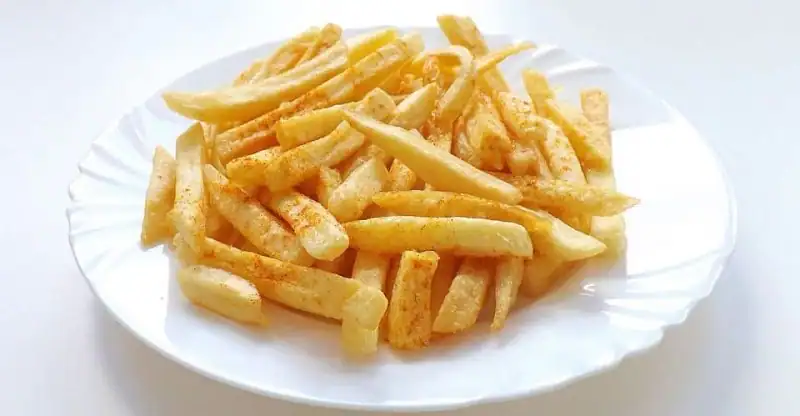
You’ll see modified food starch in everyday packaged foods, including soups, sauces, salad dressings, snacks, gravies, frozen meals, and baked goods. It keeps these products consistent, prevents separation, and delivers the creamy, reliable texture shoppers expect—whether the starch comes from corn, potato, tapioca, or other gluten‑free sources.
Sources of Modified Food Starch
Most modified food starch you see on labels comes from naturally gluten‑free sources like corn, potato, tapioca, and waxy maize. These starches hold up well in cooking, stay stable in processing, and are widely used across snacks, sauces, and baked goods. If you want a deeper look at how these raw materials differ, the guide on raw materials used to make modified starch at https://taichymodifiedstarch.com/what-is-modified-food-starch-made-from-a-guide-to-raw-materials-and-their-unique-functions/ breaks this down clearly.
Wheat‑based modified starch does exist, but it’s far less common in the US because of allergen rules and consumer demand for gluten‑free options. When it is used, it matters for anyone with celiac disease or gluten sensitivity, since wheat‑derived starch may not be safe unless it has been processed to remove gluten.
Corn starch remains the top source in the US because it’s affordable, easy to modify, and delivers consistent results in large‑scale production. If you want a quick overview of how modified starch works in general, the intro guide to modified starch at https://taichymodifiedstarch.com/what-is-modified-starch-a-quick-guide-for-newcomers/ gives a simple breakdown.
Is Modified Food Starch Gluten Free? The Short Answer
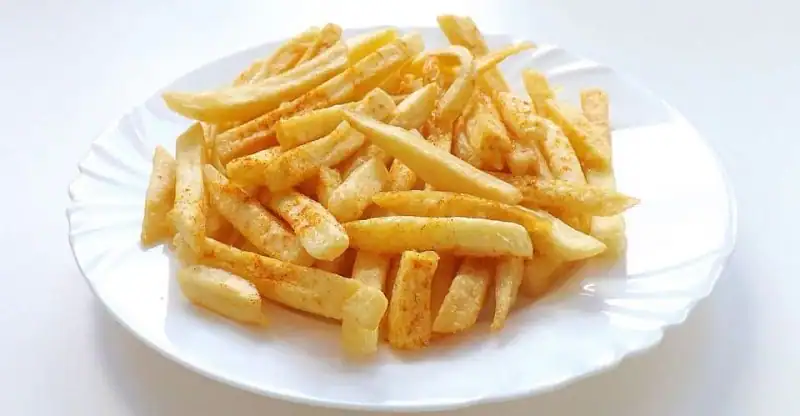
In the US, modified food starch is usually gluten free as long as the label doesn’t list wheat. Most manufacturers use corn, potato, or tapioca sources, and if wheat is used, FDA allergen rules require it to be stated clearly in the ingredient list or in a “Contains: Wheat” statement. That means if wheat isn’t shown anywhere, the modified food starch is considered gluten free and generally celiac‑safe. For extra context on how certain starches are processed to remove gluten, you can look at resources like the discussion of gluten removal in
Gluten Free Labeling Rules in the US
In the US, modified food starch is easy to check because the FDA requires any wheat‑derived
Modified Food Starch in Other Countries
Modified food starch rules vary once you step outside the US. In the EU and UK, manufacturers must clearly state when starch comes from gluten‑containing grains like wheat, barley, or rye. If wheat is used, you’ll see it listed as “modified wheat starch,” often highlighted in bold as part of allergen rules. These stricter disclosure laws make it easier to spot gluten‑containing ingredients, even in products such as sauces, snacks, and ready meals.
International labeling can look different from what you’re used to in the US. Some global products simply list “modified starch,” so you need to rely on local allergen requirements to know whether gluten is involved. Because modified starch types vary by region, it helps to be familiar with the common forms used in imported foods. For example, Europe uses a wider range of E‑numbered starches, such as E1422 acetylated distarch adipate, often made from gluten‑free bases like maize or potato. You can see how these modified starches are produced in guides like this overview of acetylated distarch adipate (E1422): https://taichymodifiedstarch.com/what-is-the-modify-starch-e1422-cold-and-hot/
To stay safe when reading global labels, use a few simple steps:
• Look for explicit grain sources such as wheat, barley, or rye.
• Check for allergen callouts, which are mandatory in the EU and UK.
• Avoid products that only list “modified food starch” if you cannot confirm the source.
• When unsure, contact the brand directly—especially with imported snacks, sauces, and packaged meals.
These habits help you avoid hidden gluten and stay confident when choosing products containing modified food starch abroad.
Special Cases: Modified Corn Starch and Other Variants
Modified corn starch is almost always gluten free because corn isn’t a gluten‑containing grain, and the modification process doesn’t add gluten. It’s one of the safest choices for celiac‑friendly and gluten‑free cooking, which is why you’ll see it used in so many packaged foods. The same goes for tapioca, potato, and maize‑based modified starch. These options come from naturally gluten‑free sources and stay safe even after processing. If you’re working with tapioca specifically, you’ll often see it used in products like pregelatinized tapioca starch, which you can find explained in more detail through resources such as the pregelatinized tapioca starch overview at taichymodifiedstarch.com.
The only time to be cautious is when the label just says “modified food starch” without listing the source. In most U.S. products it still comes from corn, but if you’re extremely sensitive or buying imported goods, it’s worth double‑checking the allergen statement or contacting the manufacturer.
How to Check If Modified Food Starch Is Safe
If you want to know whether modified food starch is gluten free, the label is always your best starting point. I keep it simple with a few key checks.
• First, read the ingredient list closely. If the starch comes from wheat, it must be listed either as “modified wheat starch” or shown in parentheses after the ingredient.
• Next, look at the allergen statement. US rules require wheat to be clearly declared, so anything that contains wheat‑derived modified starch will show “Contains: Wheat.”
• If the label only says “modified food starch” and lists no wheat, corn is usually the source in the US, which is naturally gluten free.
If the source still isn’t clear, I contact the manufacturer. Most brands will confirm whether the starch is corn‑based, potato‑based, tapioca‑based, or wheat‑derived. For more technical uses of starch, such as food‑grade stabilizers like starch sodium octenyl succinate, I check ingredient suppliers that explain how these starches are produced, like this breakdown of starch sodium octenyl succinate E1450, which shows its typical plant sources.
Medications and supplements follow different labeling rules. Wheat may not always be listed the same way it is on food, so I check with the pharmacist or manufacturer when I see “modified food starch” on a pill label.
A quick label check, a fast email to the brand, and knowing the allergen rules usually make it easy to confirm whether the modified food starch is safe for a gluten‑free or celiac‑safe diet.
Common Foods That Use Modified Food Starch
Modified food starch shows up in a lot of everyday products because it thickens, stabilizes, and keeps textures consistent. You’ll find it in gravies, canned and powdered soups, yogurts, frozen meals, salad dressings, sauces, and plenty of snack foods. Many of these foods also rely on forms like modified corn starch or maize starch, which are typically gluten free and widely used across global markets.
If you need gluten‑free options, stick with products that use corn, potato, tapioca, or wax
Choosing Clear, Transparent Ingredients
I always tell customers that the easiest way to avoid confusion about modified food starch is to choose brands that openly list the starch source. When a label clearly says corn, potato, tapioca, or maize, you can trust it’s gluten free and safe for celiac use. Brands that use clean labeling also tend to avoid hidden additives, which reduces the risk of cross‑contamination.
Corn‑based and other gluten‑free starches are reliable because their processing is simple and their allergen profile is predictable. If you’re checking specific additives, reviews of modified starch types such as the breakdown of E1420 uses and safety can help you understand how these starches behave in foods. Transparency matters most for people with celiac disease or gluten sensitivity because even trace gluten can trigger symptoms, and clear labeling removes the guesswork.
Benefits of choosing clear ingredient labels:
• Faster, safer decision‑making
• Less risk of hidden gluten
• Easier to spot alternative starches like potato or tapioca
When brands are transparent, you stay in control—and your food stays safe.
FAQs About Modified Food Starch and Gluten
Here are quick answers to the most common questions I hear about modified food starch and gluten safety.
Is modified corn starch always gluten free?
Yes. Modified corn starch is naturally gluten free, and it stays that way after processing. It’s one of the safest starches for celiac and gluten‑sensitive consumers.
What if the label only says “modified food starch”?
In the US, if the starch comes from wheat, the word “wheat” must appear either in the ingredients or in the allergen statement. If you don’t see wheat listed, it’s almost always gluten free. When in doubt, simple starch functions (like those used in the stuffing food series explained at https://taichymodifiedstarch.com/stuffing-food-series/) can give clues about typical corn‑ or potato‑based applications.
Can it trigger symptoms for sensitive individuals?
Most people with celiac disease tolerate gluten‑free modified starch well. Extra‑sensitive individuals may react to cross‑contamination, not the starch itself, so choosing brands with strong allergen controls helps.
Are certified gluten‑free versions available?
Yes. Many brands offer certified gluten‑free starches, especially corn, potato, and tapioca. These are tested to meet strict <20 ppm standards.
Does safety differ for celiac disease versus gluten sensitivity?
Celiac disease requires absolute gluten avoidance, while non‑celiac sensitivity varies by person. Still, gluten‑free modified starch—especially fully processed types like E1420 (more on its function at https://taichymodifiedstarch.com/what-is-the-function-of-e1420-in-food/)—is considered safe for both groups.
 English
  Russian