
Are you confused every time you see modified food starch on a label and wonder if it’s secretly MSG? You’re not alone. Many health‑conscious shoppers want to avoid hidden additives but aren’t sure which ingredients they should actually worry about.
Here’s the good news: modified food starch is not MSG. But there are a few situations where it can be linked to tiny amounts of free glutamic acid—the same compound that makes MSG controversial for some sensitive individuals.
In this post, you’ll get a clear, no‑nonsense breakdown of what modified food starch really is, how it differs from MSG, and when it might matter for you—especially if you try to avoid hidden sources of glutamate. If you’ve ever stood in the grocery aisle staring at ingredients you can’t pronounce, this is going to make your life a whole lot easier.
Let’s get right into it.
What Is Modified Food Starch?
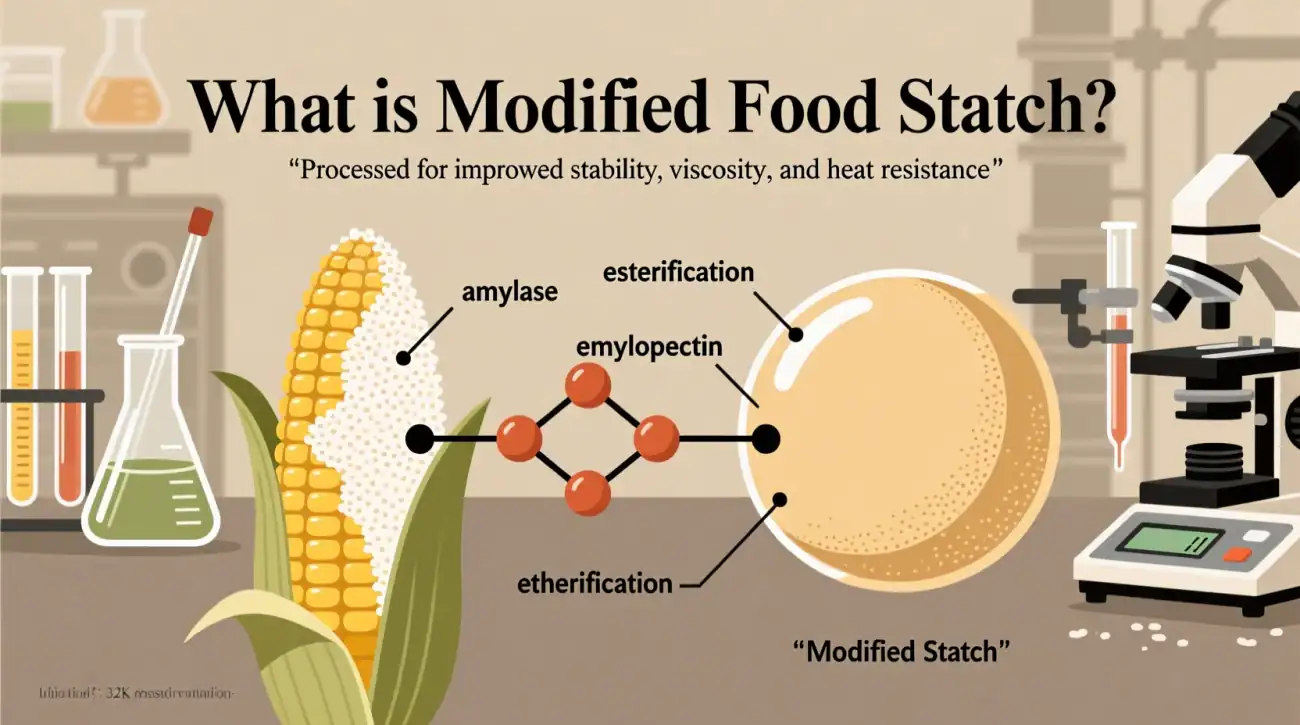
Modified food starch is simply starch—usually from corn, potato, tapioca, or wheat—that’s been gently altered to perform better in modern food production. I think of it as a functional ingredient that helps foods stay smooth, stable, and consistent, especially when they’re exposed to heat, freezing, or long storage.
These modifications can be physical (like heat treatment), chemical, or enzymatic. The goal is always the same: improve texture, prevent clumping, and keep products shelf‑stable without changing the taste. That’s why you’ll find modified food starch in everyday items such as soups, sauces, snacks, dressings, and baked goods. It’s a practical, reliable thickener that supports clean, predictable results—something I always value when developing high‑quality, consumer‑friendly foods.
What Is MSG (Monosodium
Key Differences: Modified Food Starch vs MSG
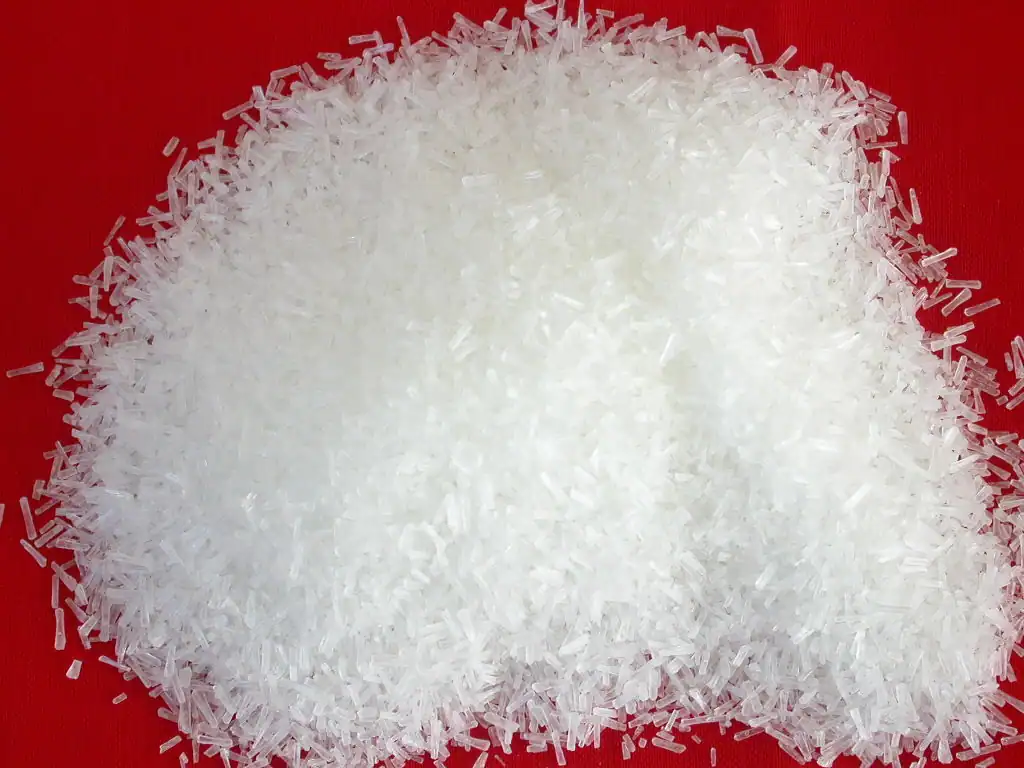
Modified food starch and MSG are not the same ingredient, and their differences are clear once you look at how they’re made and what they’re made of. Modified starch comes from corn, potato, tapioca, or wheat and is altered to change its texture or stability. MSG, on the other hand, is a flavor enhancer made from fermented starch or sugars.
Here’s a quick breakdown:
Modified Food Starch (Carbohydrate)
• Made through physical, chemical, or enzymatic tweaks
• Used to thicken, stabilize, or bind
• No natural flavor‑boosting properties
• Learn how starch is modified in this straightforward guide: what modified starch is and how it’s produced
MSG (Monosodium Glutamate – Sodium Salt of Glutamic Acid)
• Created by fermenting sugar or starch
• Used purely for flavor enhancement
• Chemically a salt, not a carbohydrate
Table :
| Ingredient | What It Is | Main Use | Is It MSG? |
|---|---|---|---|
| Modified Food Starch | Carbohydrate from plant starch | Texture, thickness | No |
| MSG | Sodium salt of glutamic acid | Flavor enhancer | Yes |
So the bottom line is simple: modified food starch is a functional texture ingredient, while MSG is a flavor ingredient. They serve different purposes and are not interchangeable.
Does Modified Food Starch Contain or Create MSG?
Modified food starch is not the same as MSG, and it typically does not contain added MSG. Most types—whether modified corn starch, modified potato starch, or modified maize starch—are simply carbohydrates that have been altered to improve texture or stability. They don’t naturally generate meaningful amounts of MSG during processing.
Some heavy chemical or enzymatic modifications can release trace levels of free glutamic acid, which is where the myth comes from. These levels are tiny, and research shows they’re far too low to trigger reactions in most MSG‑sensitive people. A lot of the fear online comes from anti‑MSG advocacy sites that group anything containing glutamate into the same category as MSG, even when the science doesn’t support it.
If you want to understand how certain starch types are modified, you can look at detailed guides like our explanation of acetylated distarch phosphate (E1422) at https://taichymodifiedstarch.com/what-is-the-modify-starch-e1422-cold-and-hot/, which breaks down how these starches are processed without creating MSG.
Bottom line: modified food starch is highly unlikely to be a significant source of MSG, and in most products, it isn’t a concern at all.
Potential Concerns for MSG‑Sensitive Individuals
If you’re sensitive to MSG, you probably watch for anything that can hide free glutamic acid. While modified food starch isn’t the same as MSG, some people still worry about it in highly processed or low‑fat products, where multiple additives are used together.
Common MSG sensitivity symptoms include
• Headaches
• Flushing or warmth
• Tingling
• Digestive discomfort
Modified corn starch or modified potato starch is usually safe because these sources don’t naturally carry gluten or notable glutamate levels. The only real concern is wheat‑derived starch, which may not be suitable for strict gluten‑free eaters, so it’s worth checking the label. Most Global shoppers simply need clear ingredient transparency, and that’s why I rely on clean‑label suppliers that avoid hidden additives.
If you want to understand how modified starch behaves in food systems, I break it down clearly in this guide to the functional uses of modified starch in stuffing applications: functional modified starch uses.
How to Spot and Avoid Potential Triggers on Labels
If you’re trying to avoid hidden MSG ingredients, the easiest place to start is the label. Modified food starch itself isn’t MSG, but it often appears alongside ingredients that can create free glutamic acid. I always tell customers to scan for pairings like yeast extract, hydrolyzed protein, soy protein isolate, or “natural flavor,” since these can signal added flavor enhancers.
A few quick ways to read ingredient labels more effectively:
• Check the first five ingredients, since they usually make up most of the product.
• Look for wording like “hydrolyzed,” “autolyzed,” or “fermented,” which often point to hidden MSG sources.
• If you’re sensitive, choose products with short, simple ingredient lists.
For safer alternatives, stick with whole foods or brands that keep formulas clean and transparent. At Taichy Food, I focus on using straightforward, minimally processed starches without hidden additives. If you want a better sense of how different starch types are used in food products, the breakdown in the E1442 food additive market guide at Taichy’s site helps clarify how modified starches behave in real applications.
Choosing clean-label options makes it much easier to avoid unwanted triggers while still getting the texture and performance you need in your recipes.
Healthier Alternatives and Recommendations
If you want to avoid hidden MSG and keep things simple, there are plenty of clean substitutes for modified food starch. Natural thickeners like arrowroot, tapioca starch, and cornstarch work well in everyday cooking, especially for sauces, soups, and gluten‑free baking. They’re single‑ingredient, easy to use, and don’t come with the confusion around whether modified food starch contains MSG.
At Taichy Food, I focus on using high‑quality, minimally processed starches with no hidden additives. Our approach keeps the ingredient list short and transparent, similar to the clean formulation standards seen in the broader starch industry, such as those described in the functions and uses of E1422 modified starch (https://taichymodifiedstarch.com/e1422-functions-and-uses-in-food-industry/). This kind of clean‑label mindset makes it easier for shoppers who want predictable, reliable products without worrying about hidden MSG ingredients.
 English
  Russian